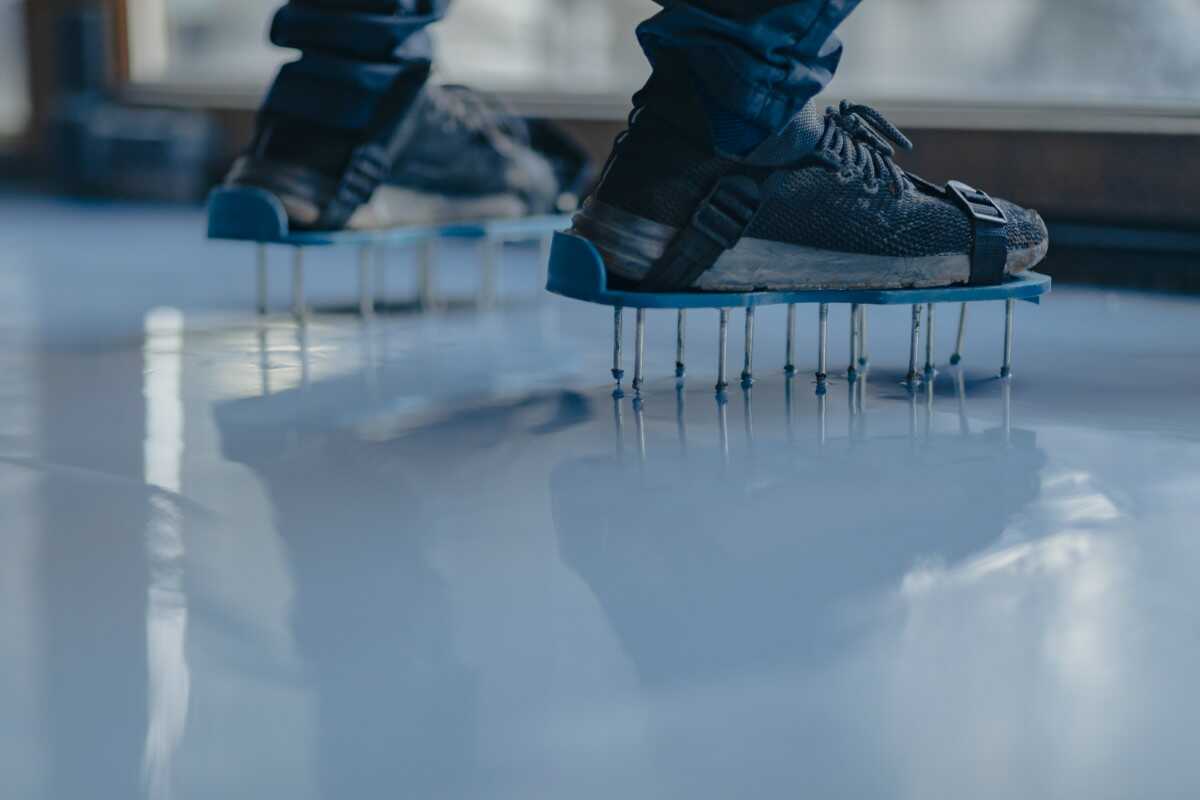
Epoxy floor coating systems are professional resin-based flooring solutions developed to meet high-performance requirements in industrial and commercial environments. Thanks to their two-component chemical structure, they form a strong bond with the applied surface, creating a seamless, compact, and fully integrated coating. This monolithic structure enhances mechanical strength while providing effective protection against external influences.

One of the most notable advantages of these systems is their high resistance to abrasion and intensive use. In environments where forklifts, pallet trucks, and heavy equipment operate continuously, surface deformation is kept to a minimum. At the same time, their chemical-resistant structure ensures safe use in production facilities and storage areas. Acting as a protective barrier against acids, alkalis, and various solvents, epoxy coatings significantly extend floor lifespan.

Epoxy coatings also feature impermeable surface properties, preventing liquid penetration. This contributes to maintaining hygiene standards while simplifying cleaning processes. The seamless surface structure minimizes dirt and bacterial formation, offering a major advantage especially in food, healthcare, and pharmaceutical environments.

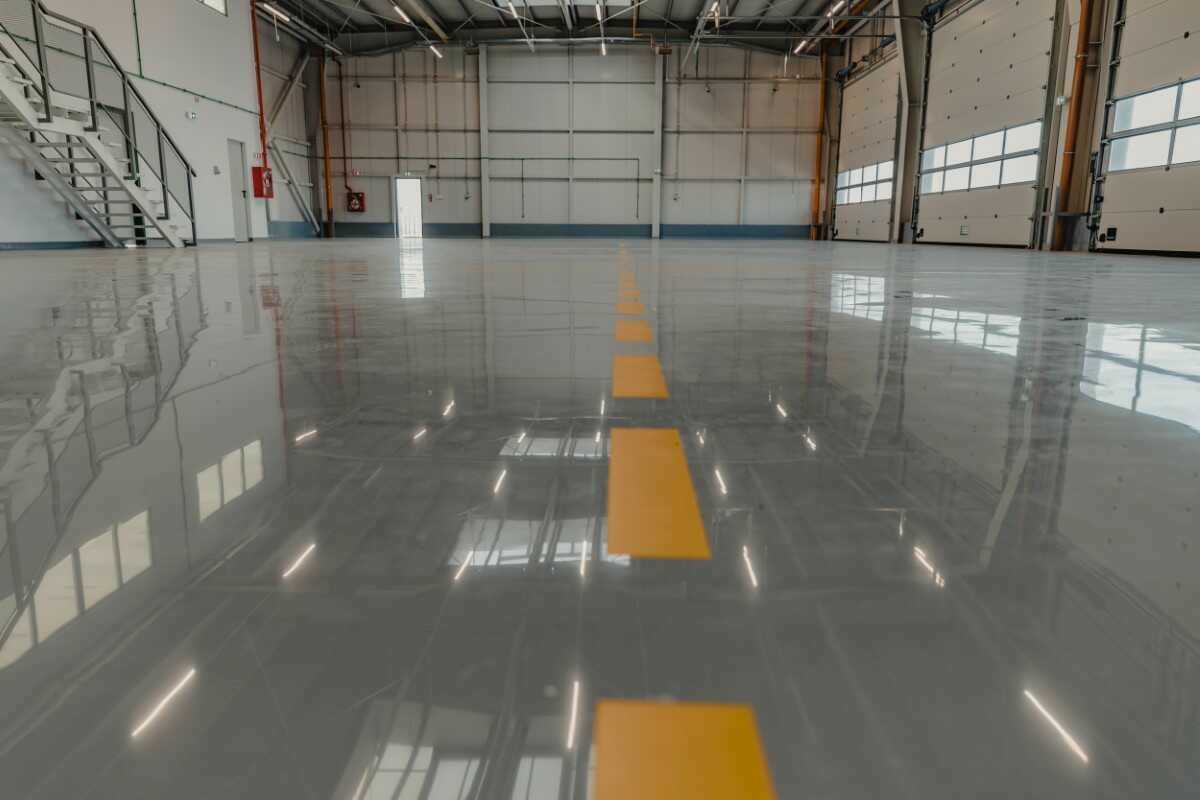
With balanced performance in terms of heat resistance and surface hardness, epoxy systems can be customized in different thickness levels depending on project requirements. Surface texture can also be designed as anti-slip, orange peel, or high-gloss finish according to usage needs. This allows both safety and aesthetic expectations to be met within a single system.

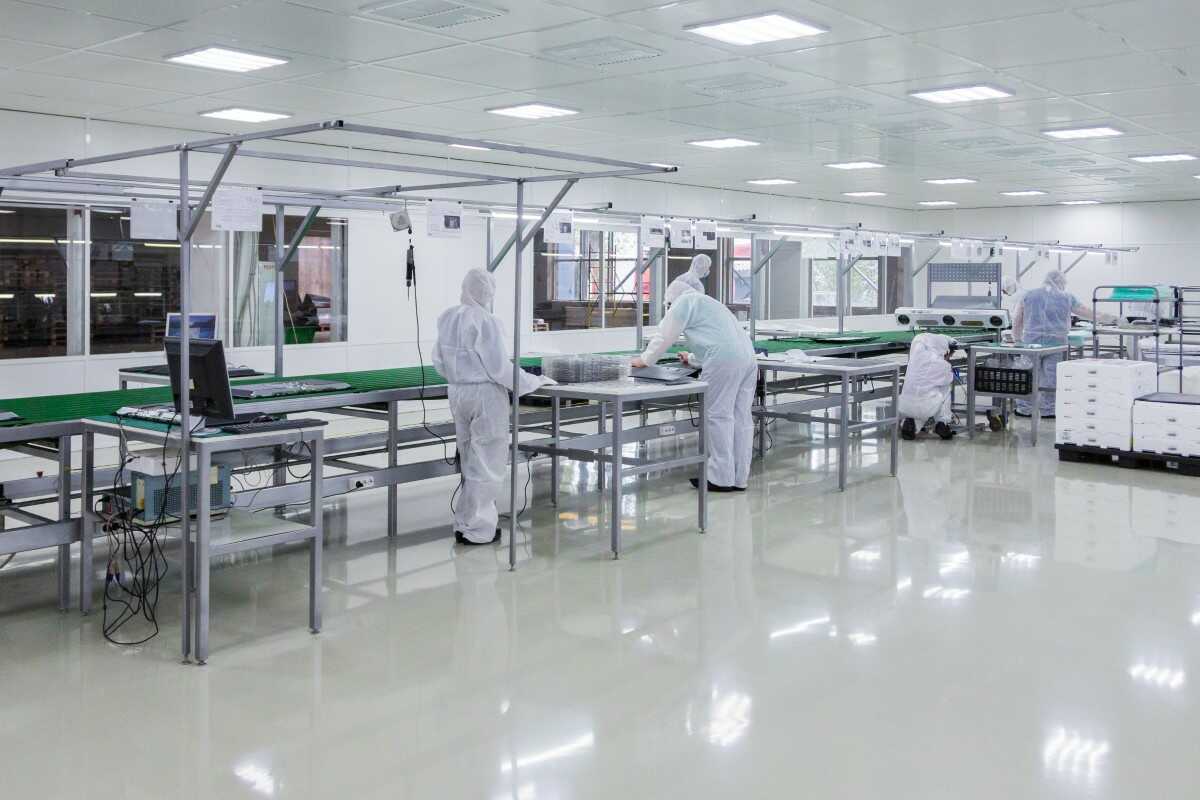
Special epoxy formulations can also be designed with electrical conductivity or anti-static properties, enabling controlled environments in sensitive production areas. These applications are particularly critical in electronics manufacturing facilities and laboratories.

Epoxy Floor Coating Application Areas

Epoxy flooring systems are widely used across various industries due to their versatility. Industrial facilities are among the primary application areas. Production zones, assembly lines, and warehouse spaces directly benefit from epoxy’s durability and chemical resistance.

In logistics centers and storage facilities, epoxy coatings provide reliable flooring solutions for areas exposed to heavy vehicle and equipment traffic. A smooth and durable surface also contributes positively to operational efficiency.

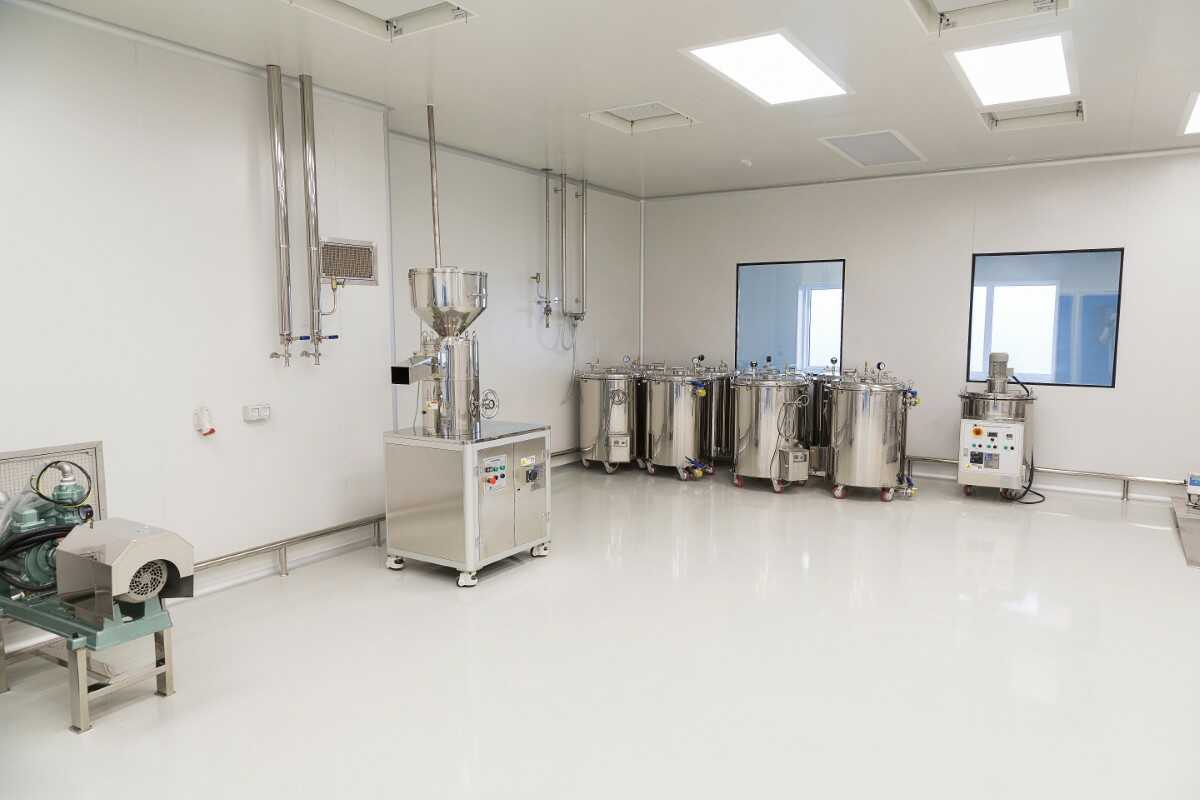
The healthcare sector is one of the largest beneficiaries of epoxy’s hygienic properties. In environments such as hospitals, clinics, and laboratories that require sterile conditions, seamless and easy-to-clean surfaces are essential. Epoxy systems help maintain and support these hygiene standards.

Food production and processing facilities also frequently prefer epoxy coatings. Their impermeable structure and chemical resistance minimize operational risks while allowing effective cleaning and disinfection processes.

In commercial environments, epoxy flooring offers both durability and aesthetics. In high-traffic areas such as retail stores, showrooms, and shopping centers, it provides a long-lasting and visually consistent surface. With a wide range of colors and surface finishes, customized design solutions can be achieved.

In parking areas and service zones, epoxy coatings create durable surfaces resistant to vehicle traffic while improving safety through anti-slip and marking applications.

Application Process and Surface Preparation

The most critical factor affecting epoxy flooring performance is surface preparation. Before application, the existing substrate is thoroughly inspected to assess its condition. Cracks, voids, and weak areas are repaired using appropriate methods.

Mechanical surface preparation is an essential step to ensure strong adhesion between the coating and the substrate. This process is typically carried out using grinding or milling techniques. The main objective is to create sufficient surface roughness to enhance epoxy bonding strength.

After preparation, a primer layer is applied to balance surface absorption and create a suitable base for the main coating system. Proper selection and application of the primer are essential for long-term performance.

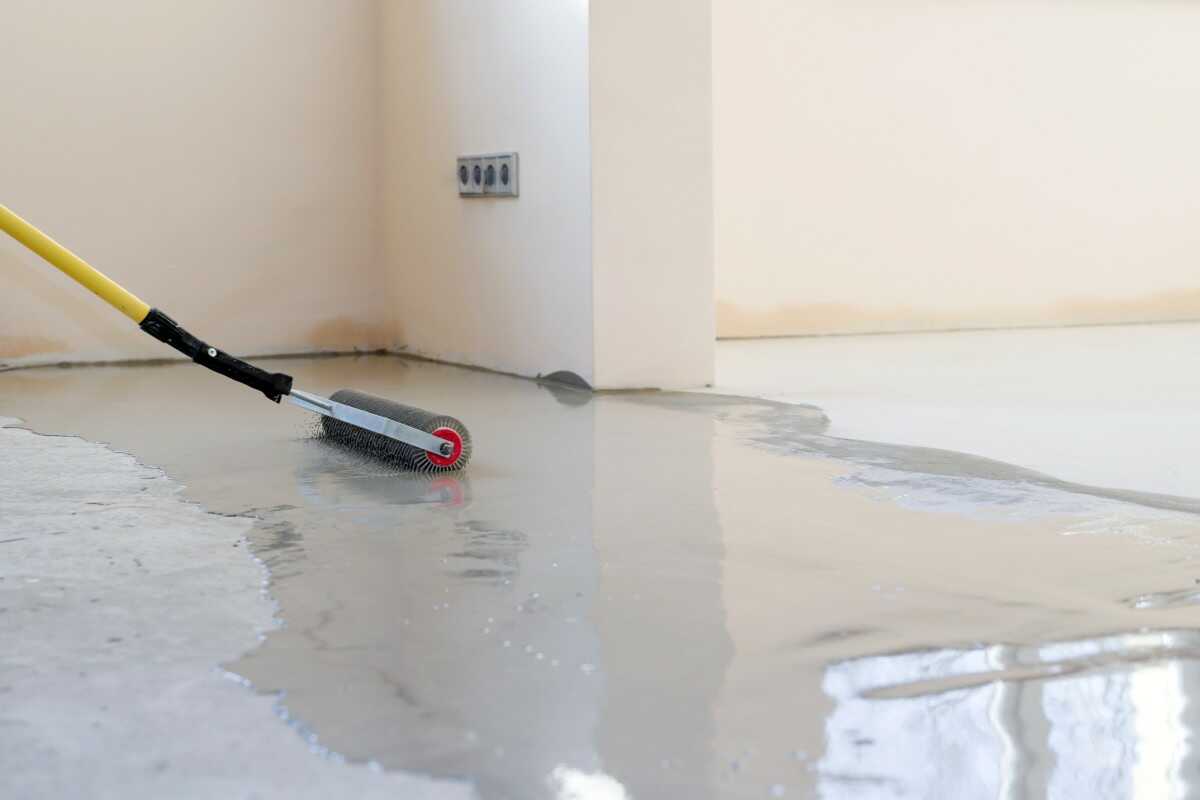
The main coating layer is applied according to the specified system thickness and intended use. It is crucial that the epoxy material is distributed evenly and applied at the correct thickness. In some cases, additional intermediate layers are used to reinforce the system.

The topcoat defines both the aesthetic and functional properties of the surface. Characteristics such as gloss level, matte finish, or anti-slip texture are determined at this stage. After application, a curing period is required for the system to reach full performance.

During application, environmental conditions such as temperature, humidity, and ventilation must be carefully controlled, as they directly affect coating quality and durability.

With proper planning, correct material selection, and professional application techniques, epoxy flooring systems become a reliable long-term solution that maintains its performance for many years.