FACTORY FLOOR COATING
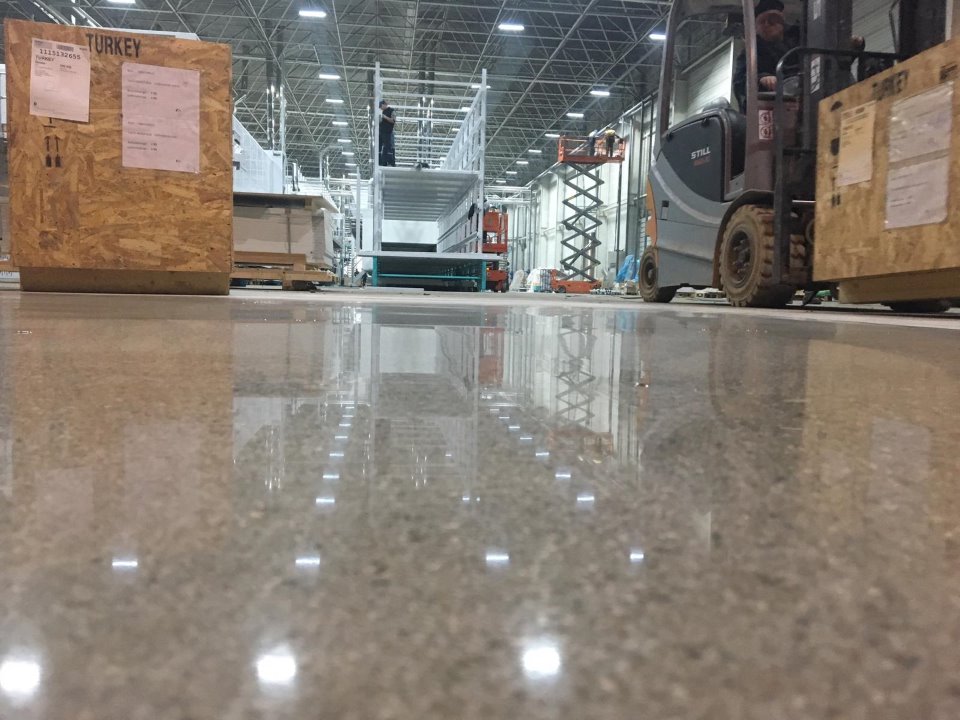
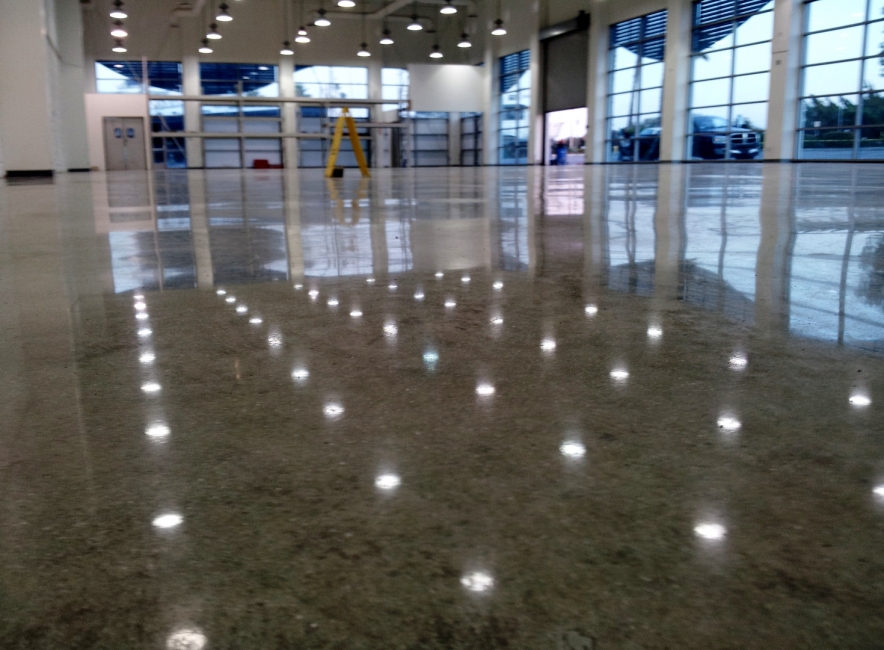
Factory floor coating applications are high-performance industrial flooring solutions developed to withstand heavy-duty industrial conditions. In production facilities, constantly moving machinery, forklift traffic, heavy load transfers, and chemical exposure create significant stress on flooring surfaces. Therefore, the selected coating system must offer strong mechanical and chemical resistance.
One of the most critical requirements in these systems is abrasion resistance. In environments exposed to continuous friction and impact, maintaining surface integrity is essential for operational continuity. A properly selected coating system minimizes surface wear and reduces long-term maintenance needs.
Chemical resistance is another key factor in factory environments. Substances such as acids, alkalis, oils, and industrial solvents can gradually damage standard concrete surfaces over time. Suitable coating systems act as a protective barrier against these chemicals, preserving the structural integrity of the floor.
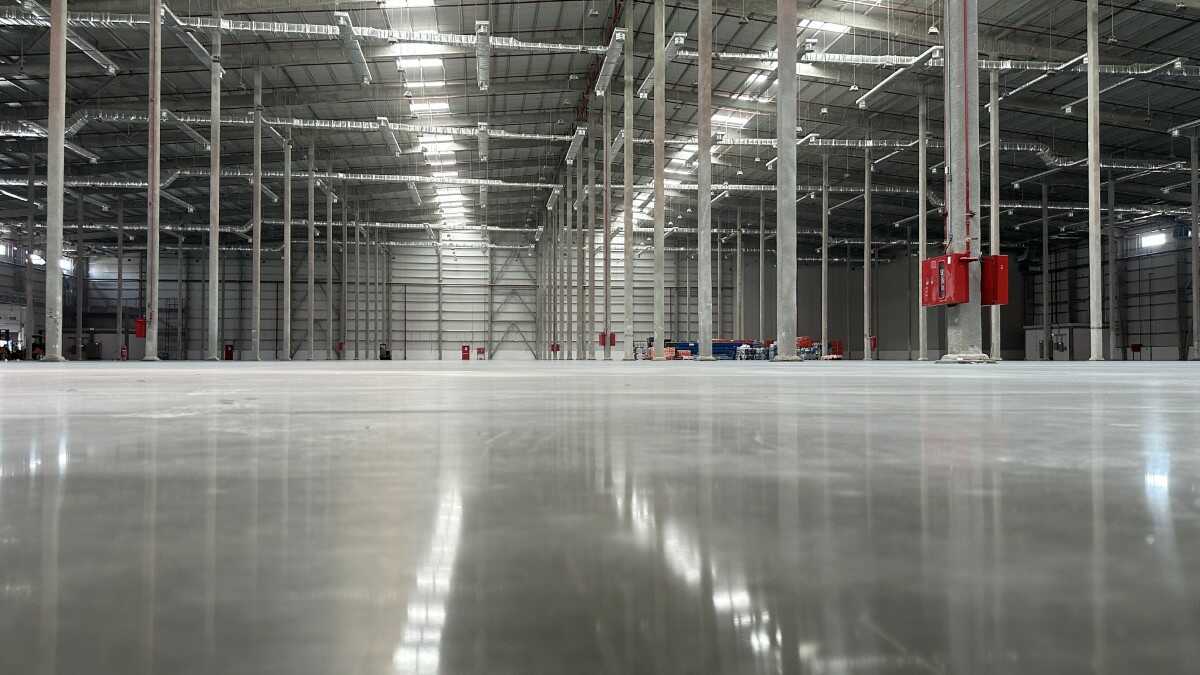
In addition, dusting is a common issue in factory floors. Properly applied coating systems prevent surface dust formation, contributing to a cleaner working environment and improving both worker health and machinery performance.
Systems Designed for Production Areas
Floor coating systems used in factories are designed with different technical properties depending on the requirements of the production environment. Heavy industrial facilities, automotive production lines, metal processing plants, and chemical factories each require different flooring performance characteristics.
In areas with intensive heavy load traffic, systems with high compressive strength are preferred, while in production lines with high chemical exposure, chemical resistance becomes the priority. In electronic manufacturing facilities, anti-static properties play a critical role.
Non-slip surface properties are also essential for occupational safety. Especially in wet or oily working environments, anti-slip surfaces help reduce the risk of workplace accidents.
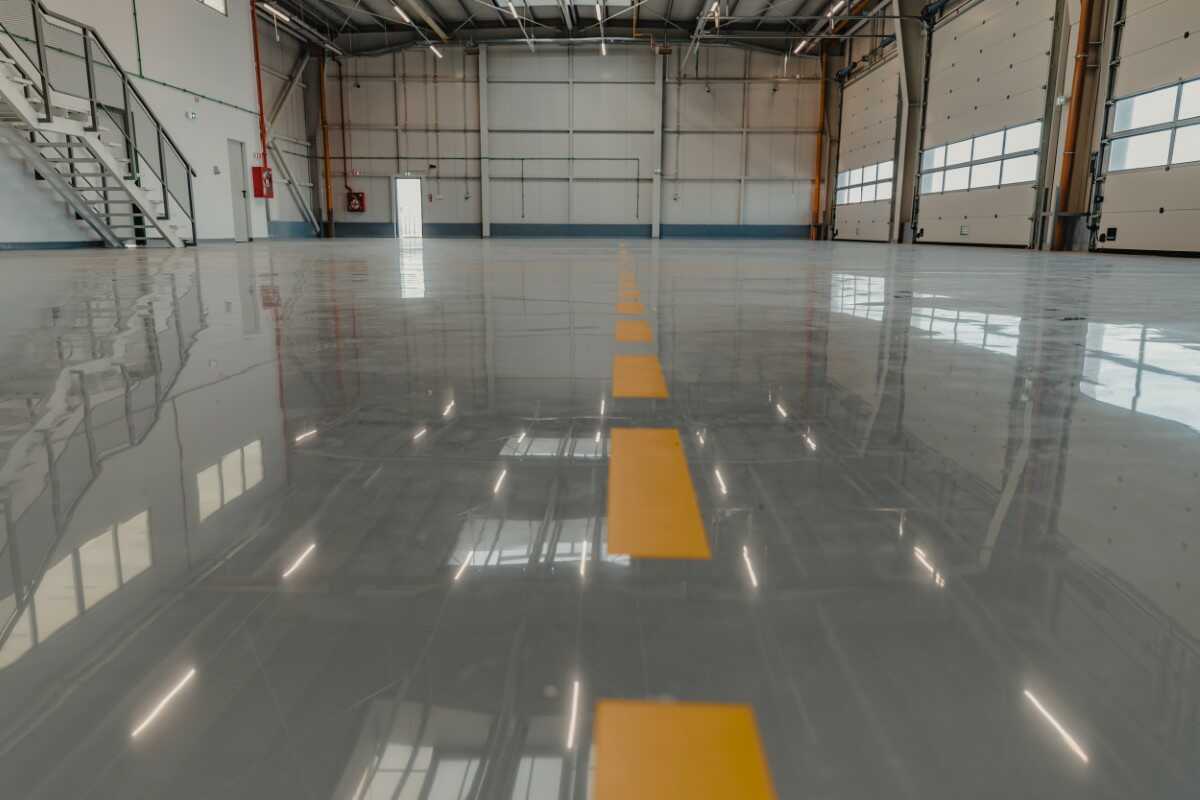
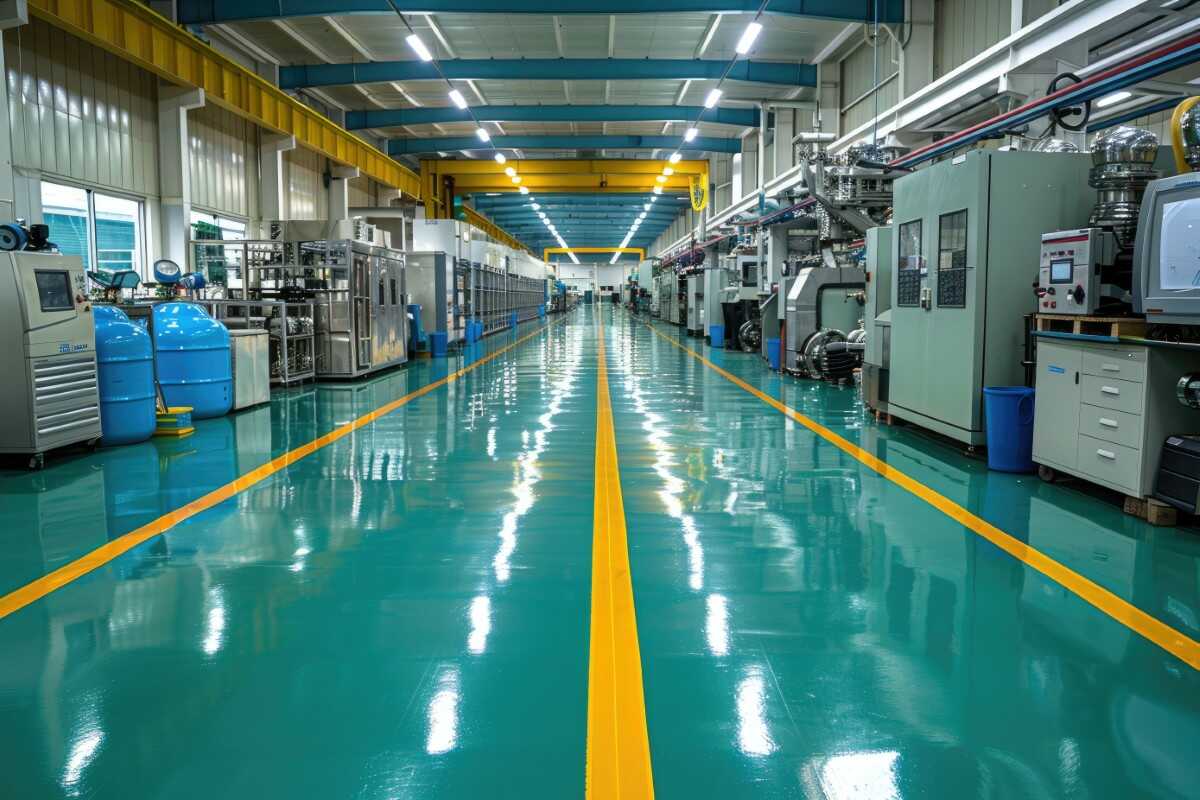
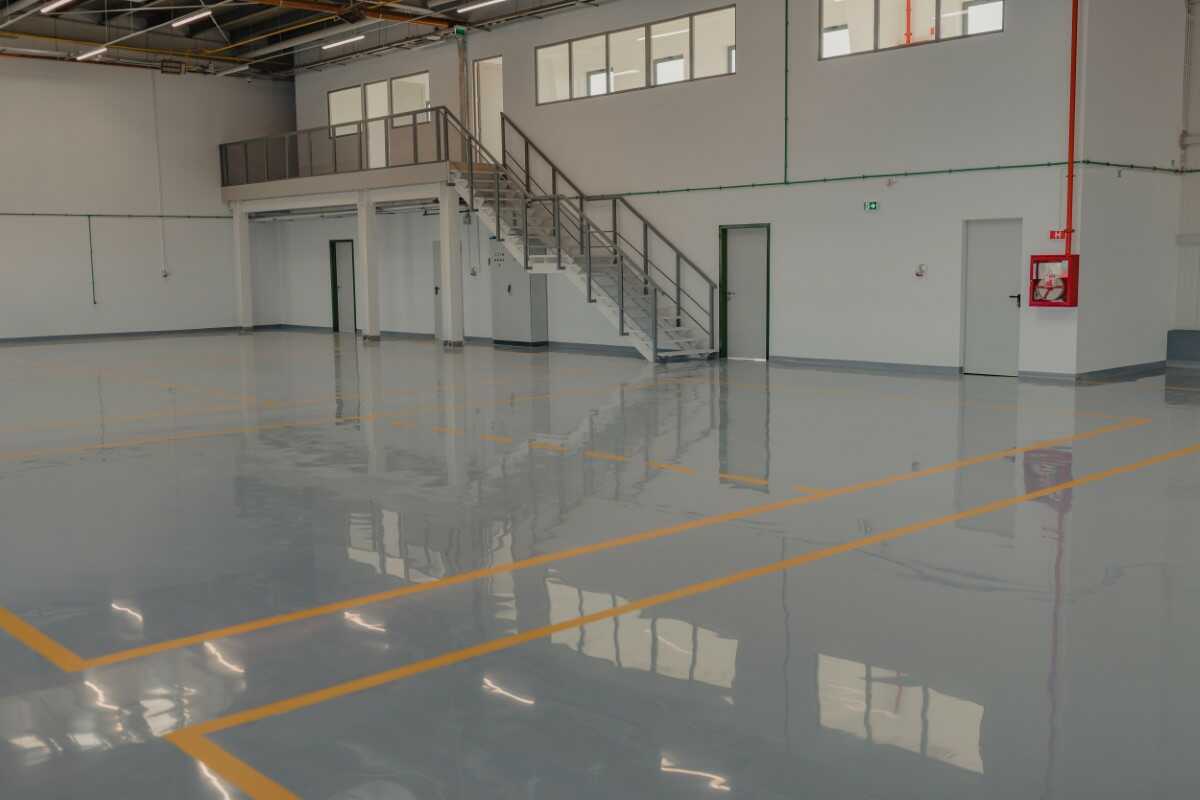
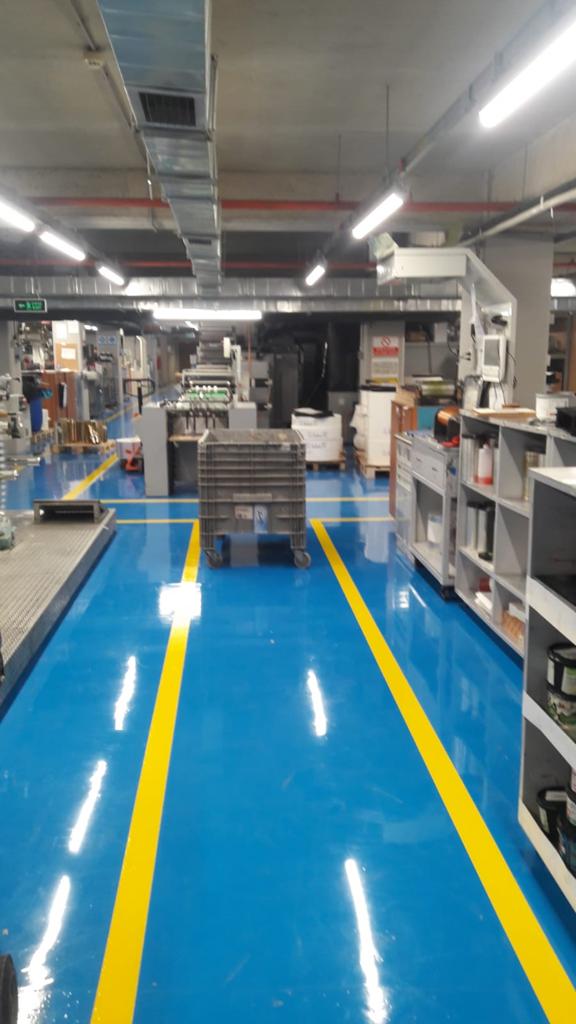
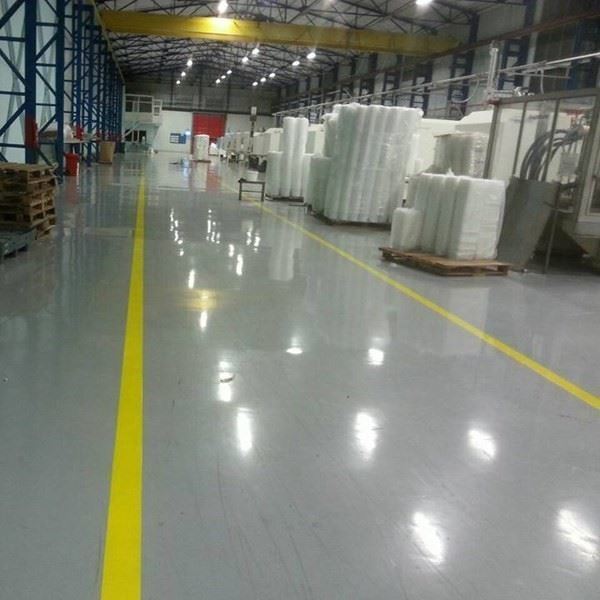
Color coding systems can also be used to divide production areas into functional zones. Pedestrian pathways, machine operation zones, and safety areas can be clearly defined, improving workflow organization and operational efficiency.
Application Process and Long-Term Performance
Surface preparation is the most critical stage in factory floor coating applications, directly determining system performance. The concrete substrate must be strong, clean, and properly textured. If necessary, mechanical preparation methods such as grinding or shot blasting are applied.
The primer layer creates a strong bond between the substrate and the coating system, ensuring long-term durability. The main coating layer is then applied according to the required thickness based on the facility’s usage intensity.
During application, environmental conditions must be carefully controlled. Temperature, humidity, and ventilation directly affect the curing process and overall coating quality.
When properly applied, factory floor coating systems transform production areas into durable, safe, and high-performance working environments that maintain their functionality for many years.